# Revving Up Personal Growth: How Kaizen Transforms Lives Inspired by a 2025 F1 Movie Starring Brad Pitt
# Revving Up Personal Growth: How Kaizen Transforms Lives Inspired by a 2025 F1 Movie Starring Brad Pitt
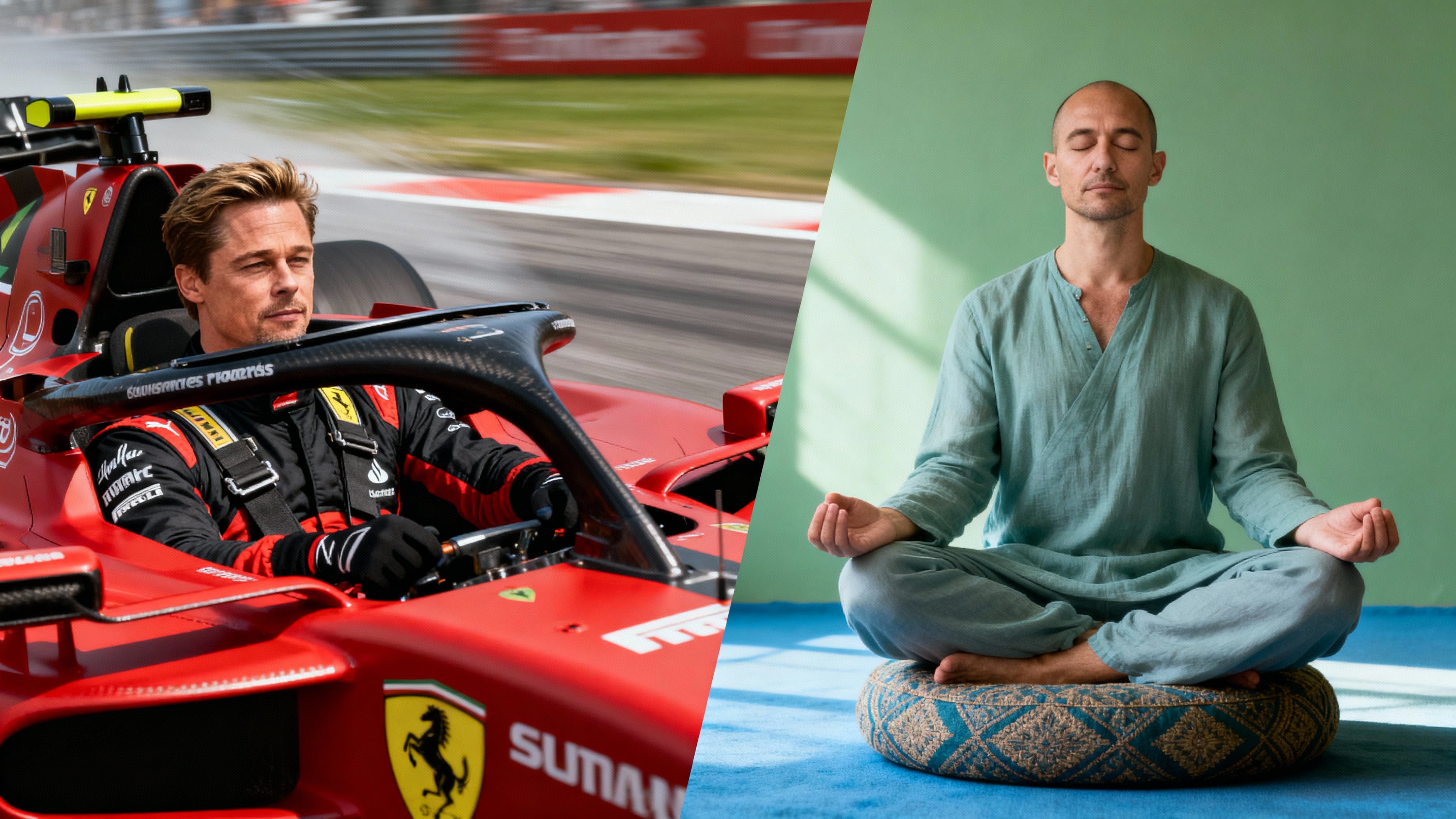
## Introduction
In a fast-paced world where the quest for improvement often feels overwhelming, the Kaizen philosophy offers a refreshing approach to personal growth. Imagine a thrilling 2025 movie starring Brad Pitt as a determined Formula 1 driver who embodies the essence of Kaizen—continuous, incremental improvement. This cinematic journey is not just about racing; it’s a powerful narrative that showcases how small changes can lead to extraordinary transformations in life. As audiences are drawn into the high-octane world of F1, they discover that the principles of Kaizen are applicable not only on the racetrack but also in their own lives. This article delves into the heart of Kaizen, exploring its core tenets and their practical applications across health, productivity, relationships, and personal development, all while drawing inspiration from our fictional hero's electrifying journey.
## The Kaizen Philosophy: An Overview
At its core, Kaizen is a Japanese term that translates to "continuous improvement." Unlike the desire for immediate results—a common pitfall in today’s fast-paced society—Kaizen emphasizes the power of small, consistent changes. This philosophy encourages individuals to focus on the process of growth rather than fixate solely on end goals. By making incremental adjustments, they can achieve significant improvements over time.
The beauty of Kaizen lies in its accessibility. It invites anyone, regardless of their starting point, to engage in self-improvement. The philosophy is built on several fundamental principles:
1. **Incremental Progress**: It champions the belief that sustained success is achieved through small, manageable changes rather than drastic overhauls. This approach allows for more digestible steps toward goals.
2. **Focus on Process**: Kaizen encourages individuals to concentrate on the journey—on refining the methods used to reach their objectives. This shift in focus can reveal opportunities for enhancement that may have otherwise gone unnoticed.
3. **Engagement and Involvement**: The process thrives on collaboration. In a personal context, this means involving friends, family, or mentors who can offer insights and support.
4. **Emphasis on Learning**: Every experience—whether a success or failure—provides valuable lessons. Kaizen promotes a culture of reflection, where individuals analyze outcomes to inform future decisions.
5. **Standardization**: Once a successful change is made, standardizing it ensures that the new practice becomes part of a daily routine, paving the way for ongoing development.
As audiences witness the protagonist’s evolution in the hypothetical movie, they can glean insights into how these principles of Kaizen can be integrated into their own lives. The journey is not merely a depiction of racing; it's a universal tale of growth that resonates with anyone striving for personal improvement.
In the following sections, we will explore how the Kaizen philosophy can be applied to various facets of life, allowing individuals to harness its principles for meaningful change.
##
### Applying Kaizen to Health and Wellness
In the domain of health and wellness, Kaizen offers a practical roadmap for individuals seeking to improve their physical and mental well-being. Rather than embarking on an overwhelming diet or workout regimen, the Kaizen approach advocates for small, manageable changes that can be easily integrated into daily life. For instance, an individual might start by incorporating just one healthy meal each day. Over time, as they grow accustomed to this change, they can gradually increase the number of nutritious meals, steering themselves toward a sustainable and healthier lifestyle. This incremental approach reduces the likelihood of feeling overwhelmed, making it easier to achieve long-term goals.
Exercise routines also benefit from the Kaizen philosophy. Instead of committing to a rigorous workout plan that might lead to burnout, individuals can initiate their fitness journey with short, manageable sessions. By setting aside just 10 to 15 minutes for exercise, they can build a habit that naturally evolves into longer and more intense workouts. This gradual buildup not only fosters a sense of accomplishment but also minimizes the risk of injury. Over time, these small efforts accumulate, leading to significant improvements in health and well-being, much like how the fictional protagonist in our movie hones his driving skills through consistent practice and small adjustments.
When it comes to mental wellness, Kaizen encourages individuals to adopt mindfulness practices one step at a time. For example, starting with just five minutes of meditation each day can help cultivate a habit of mindfulness and reflection. As individuals become more comfortable, they can gradually extend their practice, allowing for deeper personal insight and emotional clarity. This approach mirrors the protagonist's journey in the movie, as he learns to navigate the pressures of racing and life by embracing mental strategies that enhance focus and resilience.
Ultimately, the application of Kaizen in health and wellness underscores the notion that improvement doesn’t need to be a daunting, all-encompassing task. Instead, it’s about the small, consistent efforts that lead to transformative change over time. As viewers watch the character evolve on the racetrack, they are reminded that their own journeys of health and wellness can take shape through incremental steps—proving that every small victory counts.
## Applying Kaizen to Health and Wellness
When it comes to health and wellness, the Kaizen philosophy provides a practical and approachable framework for making lasting changes. Instead of overwhelming oneself with drastic diet and exercise overhauls, individuals can embrace small, manageable steps that gradually lead to significant improvements in their overall well-being. This method is not only sustainable but also empowers individuals to take ownership of their health journey.
To illustrate the application of Kaizen in health and wellness, consider these actionable strategies:
- **Dietary Adjustments**: Start by incorporating one healthy meal into your daily routine, such as a nutritious breakfast. Gradually add more whole foods, fruits, and vegetables to your meals. Over time, these small changes can foster a healthier eating pattern without feeling deprived.
- **Exercise Initiatives**: Instead of committing to an intense workout regimen, initiate a simple routine. Begin with a 10-minute walk each day or a few basic stretches. As your body adapts to these small efforts, you can incrementally increase the duration and intensity, making exercise a regular part of your life.
- **Mindfulness Practices**: Introduce a brief, daily mindfulness practice, such as deep breathing or meditation for just five minutes. This small commitment can help reduce stress levels and improve mental clarity. As you become more comfortable, gradually extend the duration or explore different mindfulness techniques.
Through the lens of our fictional hero in the 2025 movie, viewers can see how these incremental steps lead to a profound transformation. Just as the protagonist learns to perfect his racing techniques, individuals can refine their health habits over time. By applying the principles of Kaizen, they cultivate a lifestyle that promotes wellness, making significant strides toward their health goals while enjoying the process along the way.
## Applying Kaizen to Health and Wellness
In a world increasingly focused on quick fixes and instant results, the Kaizen philosophy offers a refreshing antidote for achieving better health and wellness. When it comes to diet, individuals can start by making one small change at a time—perhaps swapping a sugary drink for water or introducing a single healthy meal into their routine. This gradual approach prevents feelings of overwhelm and makes sustainable change more achievable. Over time, these minor adjustments can lead to a complete transformation in one's eating habits, contributing to long-term health benefits.
The same principle applies to physical fitness. Instead of diving headfirst into an intense workout program that could lead to burnout or injury, individuals can begin with short, manageable sessions. For instance, starting with a daily 10-minute walk can lay the foundation for a more active lifestyle. As endurance builds, one might gradually increase the duration and intensity of their workouts. This method of incremental improvement not only makes exercising more enjoyable but also fosters a sense of accomplishment that motivates continued progress.
Moreover, Kaizen encourages the practice of reflection and adaptation in health journeys. After a week of healthy eating or exercising, individuals can assess what worked well and what didn’t. This reflective practice allows for adjustments that cater to personal preferences and lifestyles, ensuring that the changes are not just effective but also enjoyable. By prioritizing learning from experiences, individuals can develop a deeper understanding of their own bodies and needs, making health improvement a sustainable journey rather than a fleeting sprint.
Ultimately, adopting a Kaizen approach to health and wellness can yield transformative results. By embracing small, consistent changes and making them a part of daily life, individuals can cultivate habits that support long-term well-being. Much like the journey of the protagonist in our hypothetical film, the path to health is not a straight line but a series of incremental steps. Through dedication and a focus on growth, anyone can achieve remarkable improvements in their overall health and wellness.
## Enhancing Productivity through Kaizen Principles
In the high-stakes world of Formula 1, every millisecond counts, and the same principle applies to enhancing personal productivity. **By adopting a Kaizen mindset, individuals can identify small, incremental changes that lead to greater efficiency in their daily tasks.** For instance, instead of overwhelming oneself with an extensive list of to-dos, breaking tasks into manageable chunks can alleviate stress and improve focus. This method aligns perfectly with the Pomodoro Technique, where individuals dedicate short bursts of time to focused work, followed by a brief break. Such a straightforward adjustment can lead to improved concentration and significantly boost overall productivity.
Moreover, establishing a routine that encourages regular reviews of daily activities can foster continuous improvement. **Reflecting on what worked well and what didn’t allows individuals to refine their processes further.** Just as our hypothetical F1 protagonist might analyze race performance with his team after each event, individuals can assess their productivity strategies to uncover hidden inefficiencies. This reflective practice not only enhances current workflows but also cultivates a mindset geared toward ongoing growth and learning.
In the realm of goal-setting, embracing the Kaizen philosophy means setting smaller, more achievable milestones rather than intimidating, large objectives. **This approach keeps motivation high, as individuals can celebrate small victories along the way.** For instance, instead of aiming to complete an entire project at once, breaking it down into smaller phases can provide a clear roadmap and a sense of accomplishment as each phase is completed. This strategy helps maintain momentum and encourages individuals to persist in their efforts, just like the race car driver who focuses on each lap rather than the finish line.
Lastly, feedback is an essential element in enhancing productivity through Kaizen. **Creating an environment where constructive criticism is welcomed can lead to significant improvements in work efficiency.** Engaging with colleagues, friends, or mentors provides fresh perspectives on personal workflows, allowing for new insights and adjustments. By harnessing the power of collaboration and input from others, individuals can discover innovative strategies to optimize their productivity and ensure that the path to success is paved with continuous, small enhancements.
##
### Applying Kaizen to Health and Wellness
The journey toward health and wellness is often littered with daunting goals and overwhelming expectations. However, the Kaizen philosophy offers a refreshing perspective. Instead of overhauling one’s entire lifestyle overnight, individuals can start with simple, manageable changes. For instance, incorporating just one healthy meal into daily routines can lay the foundation for a sustainable diet. Over time, this small adjustment can cascade into a series of healthier choices, transforming one’s nutritional habits without the pressure of drastic change.
Exercise, too, can benefit from the Kaizen approach. Rather than committing to a rigorous workout plan that might lead to burnout, individuals can begin with short sessions—perhaps just 10 minutes a day. By gradually increasing their duration and intensity, they can foster a consistent exercise habit. This method minimizes the intimidation factor of starting a new fitness regime and allows individuals to celebrate small victories along the way, reinforcing their commitment to a healthier lifestyle.
Moreover, Kaizen encourages individuals to track their progress in health and wellness, celebrating each small success. Whether it's the number of workouts completed in a week or the consistency of healthy meal choices, acknowledging these achievements cultivates a sense of accomplishment. This positive reinforcement not only motivates continued effort but also helps individuals realize that small, incremental changes can lead to significant health transformations over time.
In the context of our hypothetical movie featuring Brad Pitt as a Formula 1 driver, the protagonist might embody this approach by focusing on his physical fitness. Instead of attempting to achieve peak performance immediately, he could gradually improve his fitness levels, showcasing the endurance and resilience required in racing. His story would illustrate that every small effort, whether in the gym or in daily nutrition, contributes to the broader goal of achieving greatness.
Ultimately, the application of Kaizen to health and wellness is about cultivating a mindset of gradual improvement. By embracing this philosophy, individuals can transform their approach to health, making it a sustainable and enjoyable journey rather than a daunting task. As audiences engage with the protagonist's journey, they are reminded that the path to wellness is paved with small, intentional steps, reinforcing the idea that every choice counts.
## Building Stronger Relationships with Kaizen
In the fast-paced world of personal connections, enhancing relationships can sometimes feel daunting. However, by applying the Kaizen principles, individuals can foster stronger, more meaningful interactions with those around them. The philosophy encourages small, consistent efforts that build over time, making it a perfect fit for nurturing relationships. Whether with family, friends, or colleagues, Kaizen promotes a culture of continuous improvement in how we connect with others.
One of the simplest yet most effective ways to enhance relationships is through communication. By adopting incremental changes in how we express ourselves, we can create lasting impacts. Here are a few strategies:
- **Active Listening**: Focus on truly hearing what the other person is saying. This can involve repeating back what you’ve heard or asking clarifying questions, demonstrating genuine interest.
- **Quality Time**: Dedicate short, meaningful moments each day to connect with loved ones. Even just 15 minutes of dedicated conversation can strengthen bonds and improve overall satisfaction in relationships.
- **Positive Reinforcement**: Make it a habit to acknowledge and celebrate the small victories of those around you. A simple compliment or expression of appreciation can create an uplifting atmosphere.
- **Regular Check-ins**: Schedule brief, regular check-ins to gauge how the other person is feeling. This shows that you care about their emotional well-being and fosters open communication.
The protagonist in the hypothetical movie may encounter various challenges in his personal relationships as he navigates the high-pressure world of Formula 1. However, by applying Kaizen principles, he learns that fostering strong connections with his team and loved ones is just as important as perfecting his racing skills. His growth in this area serves as a poignant reminder that relationships thrive on small, consistent efforts rather than grand gestures.
By embracing these Kaizen-inspired strategies, individuals can cultivate deeper, more fulfilling connections. Relationships are a team effort, and just as in racing, collaboration and continuous improvement are key. As audiences witness the protagonist’s journey, they are inspired to reflect on their own relationships, recognizing the power of small, intentional changes that can lead to profound growth and understanding.
## Applying Kaizen to Health and Wellness
When it comes to health and wellness, the Kaizen philosophy offers a practical roadmap for transformative change. Imagine our protagonist in the fictional Formula 1 film, who starts his journey with a diet that lacks the nutrients essential for peak performance. Instead of an overwhelming overhaul, he begins by incorporating one healthy meal per day—a vibrant salad or a protein-rich smoothie. This small adjustment sets the stage for gradual improvements as he steadily increases the number of nutritious meals. Over time, his body responds positively, showcasing how minor dietary changes can culminate in a sustainable, healthier lifestyle.
Exercise is another area where Kaizen shines. Rather than diving headfirst into an intense workout regimen that could lead to burnout, the driver starts with manageable sessions: a brisk 15-minute walk or a series of stretching exercises. As he builds confidence and endurance, he slowly increases the duration and intensity of his workouts. This incremental approach not only reduces the likelihood of injury but also makes fitness a regular part of his routine. By showcasing this journey, the film emphasizes that personal transformation doesn’t have to be drastic; it can be a series of small, enjoyable steps toward better health.
## Enhancing Productivity through Kaizen Principles
In the realm of productivity, Kaizen is equally impactful. Picture the protagonist utilizing the Pomodoro Technique—a method that involves working for 25 minutes followed by a 5-minute break. By adopting this simple technique, he enhances his focus and efficiency on the racetrack and beyond. As the film unfolds, audiences see how this approach allows him to complete tasks more effectively, paving the way for a smoother preparation process before each race. The message resonates: productivity isn’t about working harder but working smarter through small, strategic changes.
Moreover, the journey of our F1 driver illustrates the power of breaking down larger goals into manageable tasks. Instead of fixating on winning the championship, he sets smaller milestones—such as refining his cornering technique or improving his lap times. Each time he achieves one of these goals, it reinforces his motivation and progress. This technique not only makes the path to success feel less daunting but also allows for regular reflection and adjustments. As he masters each small goal, he lays a solid foundation for greater achievements.
## Building Stronger Relationships with Kaizen
The impact of the Kaizen philosophy extends into personal relationships as well. In the movie, our F1 hero learns the value of communication and connection through simple yet effective strategies. Each week, he focuses on practicing one new communication technique, such as active listening or expressing his thoughts assertively. By gradually implementing these practices, he fosters stronger relationships with his pit crew, family, and friends. This incremental approach to communication serves as a reminder that small changes can lead to richer, more meaningful connections with others.
Additionally, he dedicates just 15 minutes a day to engage in heartfelt conversations with loved ones. This commitment to quality time enhances his interpersonal relationships significantly. As he shares laughs, stories, and dreams, the audience witnesses the profound impact of these seemingly minor moments. The film beautifully illustrates that nurturing relationships doesn't require grand gestures; rather, it's about consistently showing up and being present, ultimately leading to a more supportive and fulfilling social circle.
## The Role of Mindset and Mentorship in Personal Improvement
As our F1 driver navigates the challenges of his career, the film highlights the importance of a growth mindset in personal improvement. He learns to view setbacks not as failures but as opportunities for learning and growth. This mindset shift is a fundamental aspect of Kaizen. Each time he faces a hurdle—be it a mechanical failure or a tough competitor—he reflects on the experience, analyzing what worked and what didn’t. This process of reflection aligns perfectly with the Kaizen principles and reinforces the idea that improvement is a continuous journey, not a destination.
Mentorship emerges as a vital theme in the protagonist's story. He seeks guidance from a seasoned driver who embodies the Kaizen philosophy. This mentor encourages him to embrace small changes and fosters a supportive environment where he can share experiences and celebrate improvements. The film beautifully illustrates that having a mentor can provide invaluable insights and motivation, emphasizing that personal growth is often enhanced by collaboration and shared wisdom. This role of mentorship resonates with the audience, showcasing the significance of learning from others as they embark on their own journeys of self-improvement.
Embracing the Kaizen philosophy can inspire individuals to take control of their personal development, demonstrating that lasting change is rooted in small, intentional steps. Through the lens of our fictional F1 hero's journey, audiences are encouraged to reflect on their own lives and consider how they can apply these principles to achieve meaningful improvements across various dimensions. The story serves as a reminder that no matter where one starts, the path to growth is achievable through the power of continuous and incremental change.
## Conclusion
As the credits roll on our inspiring 2025 film featuring Brad Pitt racing towards victory, the real takeaway transcends the adrenaline of the racetrack. The journey of our protagonist serves as a reminder that personal improvement is not solely about grand gestures or sweeping changes. Instead, it is rooted in the Kaizen philosophy, where small, consistent steps pave the way for monumental transformation.
By embracing incremental progress, focusing on the process, engaging with others, and fostering a mindset of continuous learning, anyone can embark on their own path to greatness. Whether it’s enhancing health and wellness, boosting productivity, or nurturing relationships, the principles of Kaizen are universally applicable.
In the end, personal development is a journey, not a destination. The lessons learned from the world of Formula 1—like the importance of a robust mindset and the value of mentorship—can propel individuals toward their goals. Just as our hero discovers, improvement is a thrilling ride that requires patience, resilience, and a commitment to growth, one small change at a time. So, let the spirit of Kaizen inspire each reader to take their next step toward a brighter, more fulfilled life.
## FAQ
### What is the Kaizen philosophy?
Kaizen is a Japanese term that means "continuous improvement." It focuses on making small, consistent changes over time to achieve significant growth. Rather than seeking immediate results, Kaizen emphasizes the importance of the process and learning from each experience.
### How does the 2025 movie starring Brad Pitt relate to Kaizen?
The movie portrays Brad Pitt as an ambitious Formula 1 driver who embodies the Kaizen philosophy. His journey shows how incremental improvements on and off the racetrack lead to extraordinary results. The film serves as a captivating narrative that illustrates how Kaizen can inspire personal growth in various aspects of life.
### How can I apply Kaizen principles to my health and wellness?
You can start by making small, manageable changes to your daily routine. This might include gradually increasing physical activity, incorporating healthier foods into your diet, or establishing a consistent sleep schedule. Focusing on small steps makes it easier to maintain motivation and achieve lasting improvements.
### What are some ways to enhance productivity through Kaizen?
To boost productivity, consider breaking tasks into smaller, manageable steps. This makes them less daunting and more achievable. Regularly assess your work processes to identify areas for improvement, and don’t hesitate to standardize successful practices to streamline your routine.
### Can Kaizen help in building stronger relationships?
Absolutely! Kaizen encourages open communication and collaboration. By reflecting on interactions and seeking feedback, individuals can identify ways to strengthen connections, resolve conflicts, and enhance overall relationship dynamics.
### Does mindset and mentorship play a role in Kaizen?
Yes, mindset is essential in the Kaizen philosophy. A growth mindset allows individuals to embrace challenges and view setbacks as learning opportunities. Mentorship can also provide valuable insights and support, helping individuals stay motivated on their journey of continuous improvement.
### How can I start my own Kaizen journey?
Begin by identifying an area of your life where you wish to improve, whether it's health, productivity, or relationships. Set small, achievable goals, and focus on the process rather than the outcome. Engage with supportive friends or mentors, and remember to reflect on your experiences to foster ongoing growth.


Comments
Post a Comment